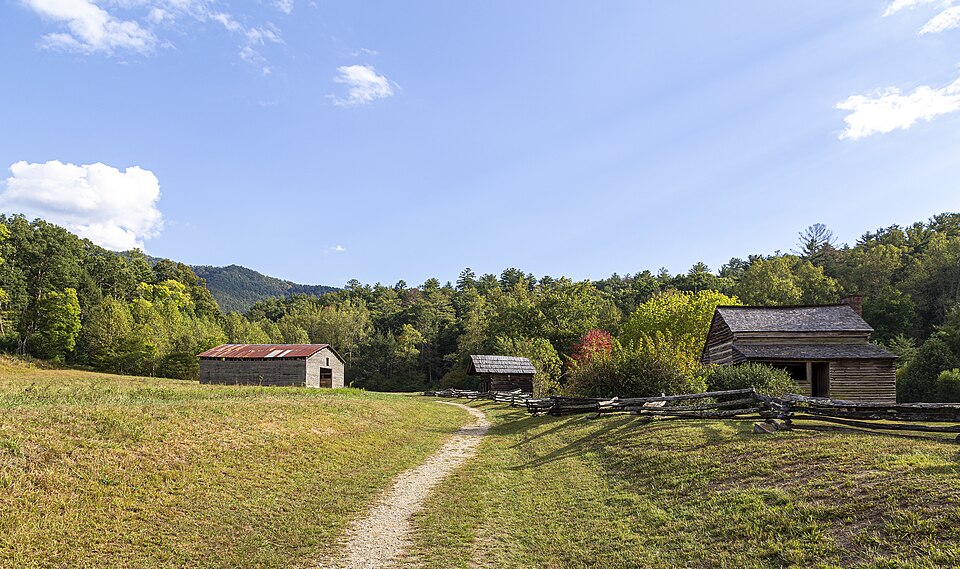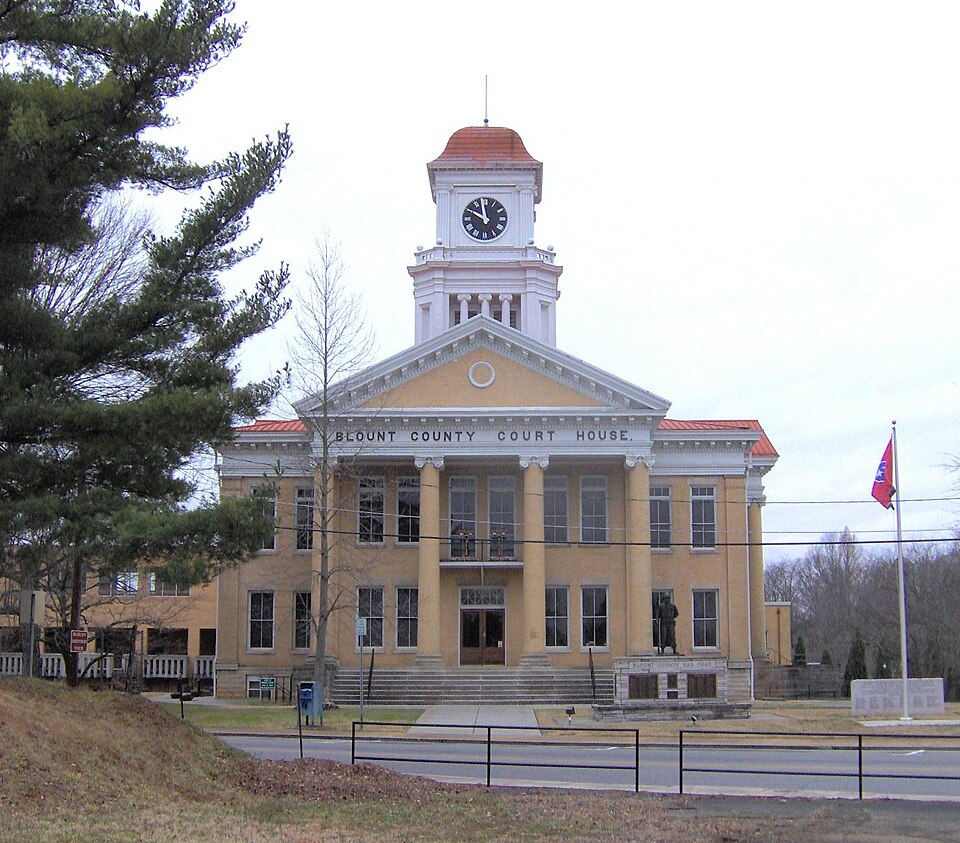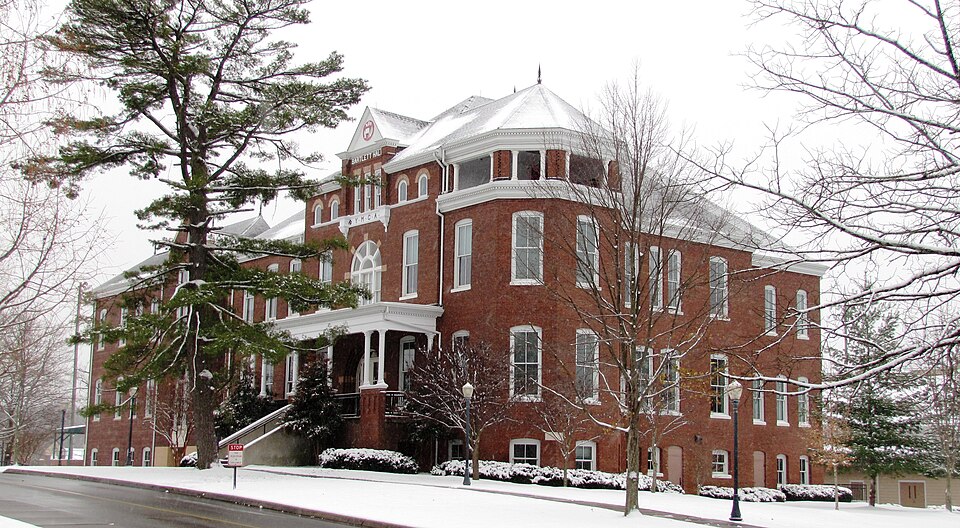
Few communities in the American South possess a continuous institutional and residential lineage as deep as Maryville, Tennessee. Growing around the stockade of Fort Craig (established in 1785) along Pistol Creek, Maryville was officially chartered as the seat of newly created Blount County on July 11, 1795, and named in honor of Mary Grainger Blount, wife of Territorial Governor William Blount. Just twenty-four years later, in 1819, Presbyterian minister Isaac Anderson founded the Southern and Western Theological Seminary—known today as Maryville College, one of the fifty oldest institutions of higher learning in the United States.
Because Blount County was spared the wholesale urban demolition that reshaped larger metropolitan areas, historic neighborhoods around Broadway Avenue, New Providence, Indiana Avenue, and College Hill have preserved multi-generational family estates spanning the nineteenth and twentieth centuries.
19th-Century Specie, Trade, and Banking in Maryville
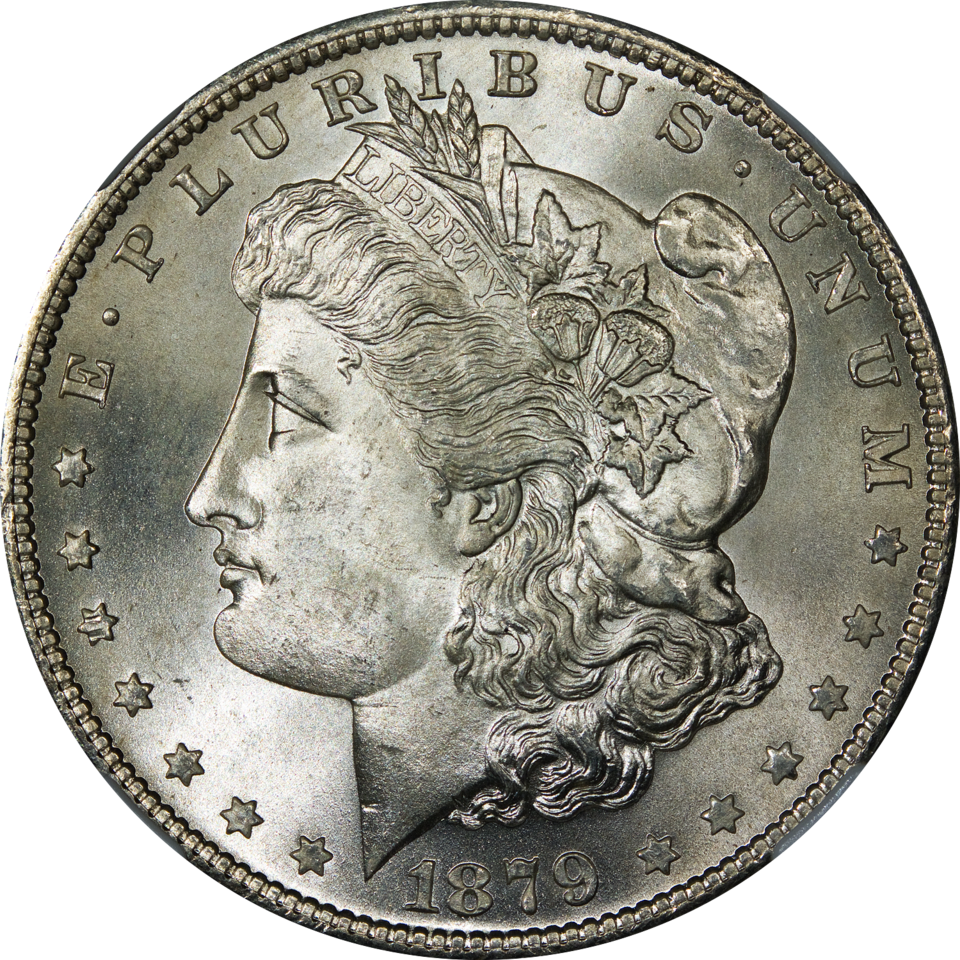
During the early 1800s—when future Texas President Sam Houston grew up in Maryville and worked as a clerk in a local dry-goods store—Blount County sat at the southern frontier gateway between Knoxville's Gay Street banking houses and the Cherokee Nation towns along the Little Tennessee River. Hard money in early Maryville consisted of Spanish silver pieces-of-eight, early U.S. Draped Bust and Capped Bust silver half dollars, and Southern Appalachian gold coinage.
After the Bank of Maryville and Blount National Bank anchored downtown Broadway commerce in the late nineteenth and early twentieth centuries, Blount County farm and merchant families developed a strong cultural tradition of holding physical silver dollars and gold eagles at home—a tradition reinforced during the agricultural panics of the 1890s and the Great Depression of the 1930s.
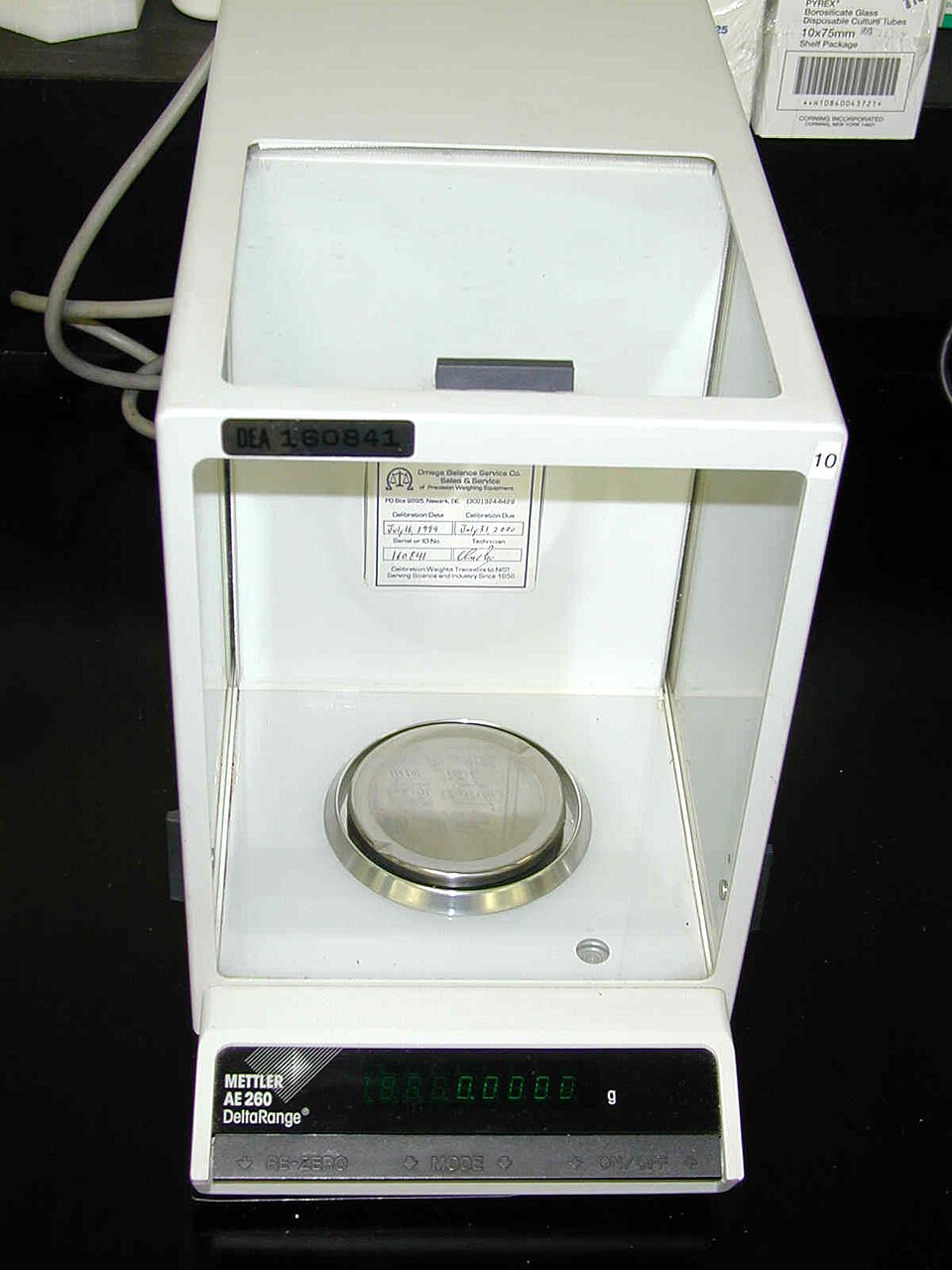
Know exactly what your jewelry and estate pieces are worth before visiting any buyer. Sort your items at home using a JSP 10K–22K Gold & Silver Acid Testing Kit, inspect worn stamps with a 10x Hastings Triplet Jeweler's Loupe, and weigh in true grams and troy ounces on a 0.01g Digital Jeweler Scale.
What Surfaces in Maryville Estate Cleanouts Today
When we appraise inherited collections in Maryville, New Providence, and Royal Oaks, we routinely encounter three distinct historical layers of precious metals:
- Pre-1933 U.S. Gold & 19th-Century Silver Dollars: Liberty Head $5 Half Eagles, $10 Eagles, and $20 Double Eagles alongside rolls of 1878–1921 Morgan Silver Dollars and 1921–1935 Peace Silver Dollars.
- Victorian, Edwardian & Art Deco Heirloom Jewelry: 10K, 14K, and 18K yellow and rose gold signet rings, cameo brooches framed in solid gold, mechanical pocket watches on solid gold Albert chains, and antique Maryville College class pins.
- Mid-Century Sterling Silver (.925) Services: Complete chests of solid sterling flatware and tea services acquired during the post-WWII expansion of Maryville and neighboring Alcoa.
If your family is settling an estate in Blount County, see our Sell Gold in Maryville Guide or request a free, no-obligation evaluation through East Tennessee Gold Buyers.